Sustainability

PASMA is committed to reducing our environmental impact and supporting our industry to do the same. The goal is to reach net zero by 2050 and halve emissions by 2030. 

We’re doing this by making lots of small, sustainable choices in our daily activities and a lot of big, bold changes too – we’re talking everything from recycled paper in our printers and taking the train more often to turning training cards digital. 

That means reducing the greenhouse gas emissions we create directly (Scope 1), indirectly through energy (Scope 2), and across our wider value chain (Scope 3). It’s a big task, but we’re breaking it down, making progress and sharing our journey along the way. 

Our commitment 

We’ve grouped our activities into five focus areas: 


1. Sustainable training delivery

Around 80,000 delegates every year take a PASMA training course via our international network of approved training centres and instructors. We’ve taken some big steps to ensure people can be trained in the safe use of mobile access towers, tower scaffolds and low level access equipment with minimal environmental impact:  

  • Training certificates that used to be printed and posted are now sent digitally 
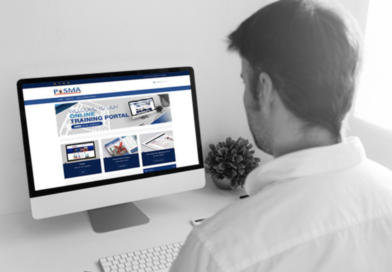
  • Since 2020, e-learning options for our most popular courses let delegates learn theory segments from the comfort of their own home or workplace 
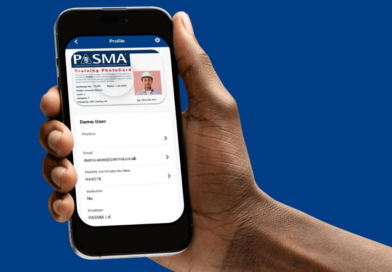
  • Since 2025, all PASMA cards are issued virtually by default, saving around 80,000 bits of plastic annually 
  • Training centres are audited regularly to ensure standards are being maintained, but since 2026, most of these audits are done remotely via webcams 
  • Instructors training and upskilling is done online wherever possible 
  • We’ve reduced the amount of paperwork that needs to be printed for a training course 

Each change helps cut carbon, reduce waste and support a more modern learning experience. 

Next goal >> PASMA training will go completely paperless 


2. Championing sustainableaccess equipment 

We believe that towers are one of the most sustainable forms of access equipment, and that PASMA has a role in promoting this across the industry. We’ve taken the following action:  

  • Developed and launched TowerSure, a game-changing online system for managing tower inspections. It works with a smart inspection label that can be re-used over and over again. 
  • Encourage quality, well-made towers that meet recognised standards, are manufactured using recycled materials, designed to last and can be recycled at the end of their life 

Next goal >> develop a protocol for tower repairs and recycling 


3. Meetings andevents without harming the planet 

We want our meetings and events to be positive experiences for attendees and the environment. That’s why: 

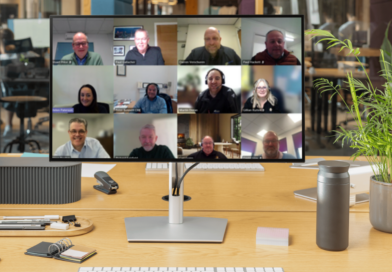
  • Council and committee meetings are now mostly held online, and have been since 2020 
  • In-person events only happen when we feel they’re vital and will hold real value for attendees 
  • We consider sustainability when choosing venues, suppliers and catering for our events 
  • Print, gifts and merchandise are chosen with care, prioritising useful items made from sustainable materials  

Next goal >> re-imagine our events programme to deliver more value to more people, while cutting the carbon footprint 


4. Minimising the impact of our operations

Sustainability starts at home – or in our case, at the PASMA office. Changes there include: 

  • Made our building more energy efficient by switching to a renewable energy provider on a green tariff, switching lightbulbs to LEDs, insulating the loft space, installing new smart heating/cooling controls, upgrading our electric sockets, making use of computer energy-saving settings and adding double-glazed windows 
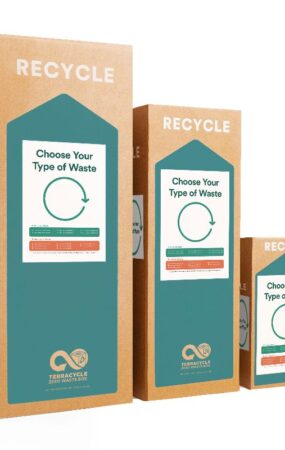
  • Increased recycling by introducing clearly labelled bins for different materials, including a Terracycle Zero Waste Box 
  • Follow a responsible purchasing policy, which encourages things like only buying refurbished technology and using eco-friendly packaging for our products 
  • When staff travel, we go by train whenever practical. If we have to fly, the flights are offset. 
  • Minimising the amount of paper in the office e.g. by requesting digital invoices and reading online editions of industry magazines 
  • Embed sustainability into every project by considering it right from the start 
  • Taking a digital-first approach to marketing and communications 

These may seem like small things, but they reflect a culture of care and responsibility that we want to nurture in everything we do. 

Next goal >> develop a practical plan to achieve net zero emissions 


 5. Leading the way
  • We have employed a full-time sustainability adviser since 2022 
  • Our staff have all completed Carbon Literacy training to increase their understanding of carbon costs and the impacts of different activities 
  • All employees have the opportunity to join our Green Team to help advance sustainability within the organisation 
  • We aim to set a good example for our members and our industry of how an SME can operate more sustainably 

Next goal >> In 2026, we will voluntarily implement an environmental management system to help us identify, manage, monitor and reduce our environmental impacts